
The Firm · Blog & Insights
Perspective for the decisions that matter.
Practical reading on intervention, family relationships, treatment decisions, and the work of recovery. Start with the question in front of you.
Featured reading · Intervention
How a Professional Intervention Works
A professional intervention turns a frightened, divided family into a prepared team with a clear offer of help, credible boundaries, and a plan for either answer.
Read the guide
The reading room
Find a useful place to begin.
5 articles · Clear filters
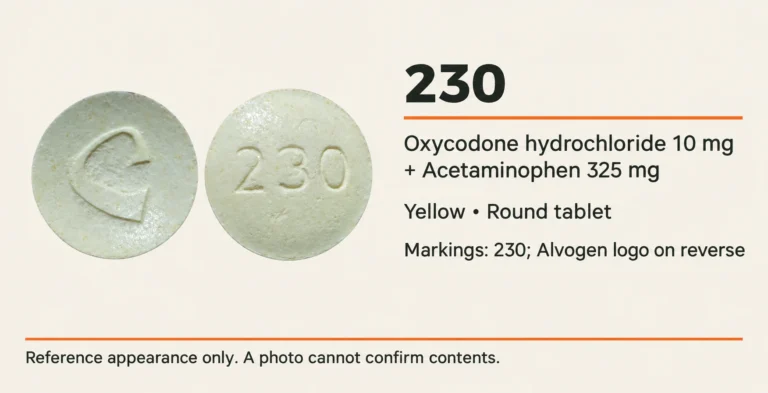
Found a Yellow 230 Pill? What Parents Should Check First
A yellow tablet marked 230 is a reason to pause and check safety, not to jump straight to an accusation. The matching labeled medicine contains an opioid and acetaminophen, and a loose pill cannot be verified by color…
Read article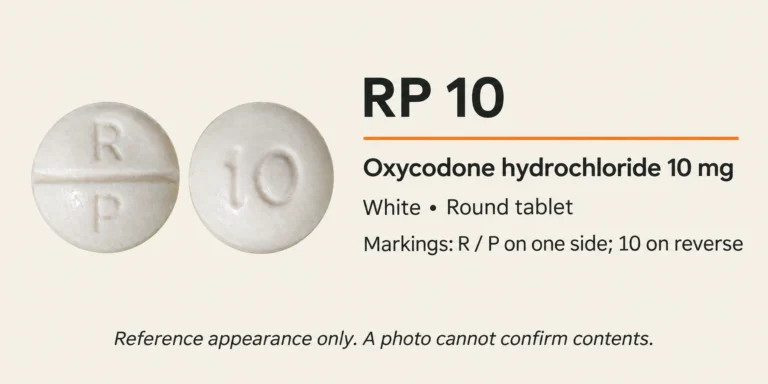
RP 10 Pill Found at Home: A Parent’s Guide to Checking It
When a parent finds a pill marked RP and 10, it is easy to overlook small details while searching for answers. Record the complete markings on both sides: RP 10 and RP 10 325 refer to different labeled…
Read article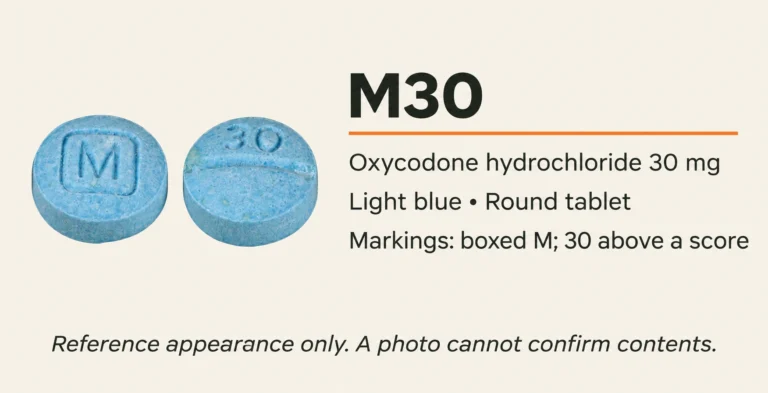
Found a Blue M30 Pill? A Safety Guide for Parents
A blue tablet marked M and 30 may look like a prescription medicine, but counterfeit versions make appearance especially unreliable. If your child may have taken it, getting help comes before comparing photographs.
Read article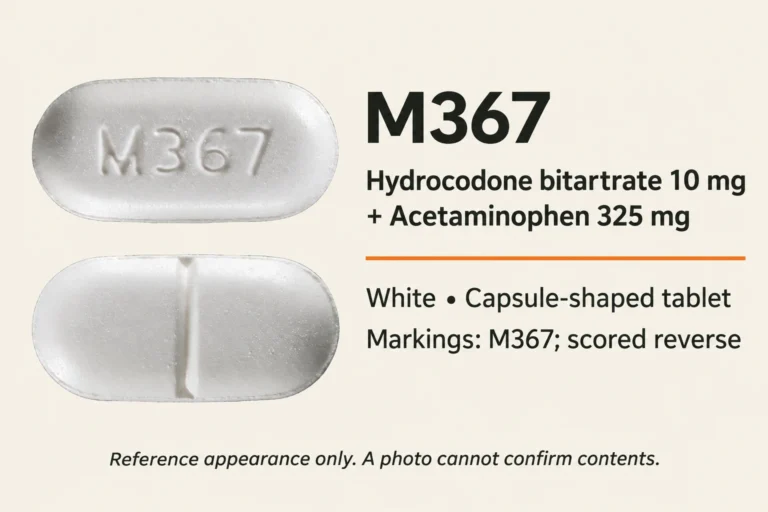
Found a White M367 Pill? What Parents Need to Know
An M367 imprint raises a different concern from an ordinary over-the-counter pain reliever. The prescription product associated with this marking contains an opioid. Check for possible ingestion before trying to solve the whole story.
Read article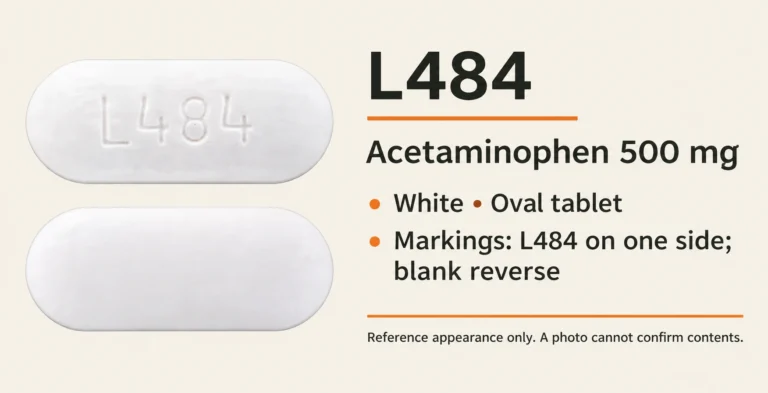
Found an L484 Pill? A Parent’s Guide to What Comes Next
A white pill marked L484 can look alarming in a pocket or backpack. The imprint is associated with acetaminophen, but a loose tablet still needs careful checking. Start with your child’s safety, then work out where it came…
Read articleTurn information into a next step.
Use the free family tools to organize your questions, or speak with The Firm about your situation.
These articles are educational and do not replace individualized medical, psychiatric, legal, or clinical advice.