The Firm Addiction Consulting · Nashville
PharmChek Sweat Patch Monitoring in Nashville
The Firm offers PharmChek® by SCRAM Systems sweat patch application and removal for forensic monitoring by appointment in Nashville. Continuous sweat collection across multiple days gives your monitoring plan a broader collection window than a specimen taken at one point in time.
For families and professionals in Nashville and Middle Tennessee who need a clear process: an agreed panel, documented collection, laboratory analysis and a plan for what happens next.
Forensic monitoring only; not clinical or diagnostic testing. Appointment requests require confirmation.
Nashville appointments · Professional application and removal · Laboratory analysis after wear
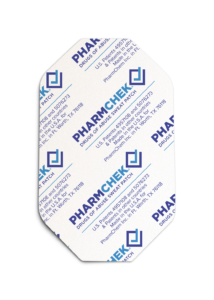
Product imagery does not imply manufacturer endorsement of The Firm.
Continuous drug monitoring with a defined purpose
PharmChek by SCRAM Systems uses an absorbent pad worn against the skin to collect sweat throughout the wear period. The pad retains target drugs or metabolites for analysis after removal. This makes multi-day collection a useful capability within structured accountability.
The patch supplies information. The monitoring plan determines who reviews it, who may receive it and what response follows. Testing is information, not treatment.
For broader recovery support, reporting and follow-through, visit our substance monitoring and accountability hub.
Product source: SCRAM Systems’ PharmChek overview.
Drug sweat patch application and removal: what to expect
Discuss the monitoring purpose
Call The Firm to discuss the situation, any referring professional or program requirements, the ordered laboratory panel, intended wear schedule and consent. Confirm appointment availability before visiting.
Attend the application appointment
Professional application includes identity and collection documentation, assessment of the application site, and instructions for patch care and return. PharmChek requires certified personnel for application and removal.
Wear the patch and report concerns
The Firm supports a 7–10-day wear period, with a maximum of 10 days. Follow the agreed removal date and contact the collection professional promptly if the patch loosens, is damaged or causes irritation.
Return for removal and laboratory submission
The collector checks patch identity and condition, completes chain-of-custody documentation and prepares the specimen for the approved laboratory. This is a professional collection service, not a take-home self-application kit.
Review the report and next step
Results are considered within the agreed monitoring plan, including relevant prescribed medications and any collection concerns. An unexpected result calls for appropriate review and follow-through—not an automatic conclusion about impairment or recovery.
Manufacturer instructions: application, removal and wear-time guidance.
Laboratory testing and chain of custody
Collection is handled separately from analysis. The Firm is not a toxicology laboratory. PharmChek specifies analysis by its approved laboratory; the published process uses an initial screen and LC-MS/MS confirmation of presumptive positive results, followed by quality review.
Chain of custody connects the wearer, patch identifier, application and removal records, specimen labels, signatures and sealed transport packaging. Missing or inconsistent documentation can prevent testing. A properly documented process matters even when monitoring is voluntary.
Results are not instant. Confirm the current reporting estimate for your order, allowing for shipping, laboratory receipt and any confirmation or review.
Manufacturer sources: laboratory screening and confirmation and specimen handling and custody.
What does the ordered panel test for?
The Firm’s default is a 17-panel that includes fentanyl. Detection depends on the analytes—the specific drugs or metabolites—in the laboratory order.
Confirm the actual ordered panel before collection. Do not assume every emerging synthetic, kratom/7-OH product, tianeptine product or fentanyl analog is covered.
A negative result means no reportable finding for the tested analytes at the applicable thresholds. It does not establish that every drug was absent or that someone was unimpaired. If behavior remains concerning, read Negative Drug Test but Acting High.
Current manufacturer reference: PharmChek analysis panels.
Forensic monitoring—not a clinical diagnosis
PharmChek is used for forensic drug monitoring. It is not a clinical diagnostic service, an overdose warning device or a treatment for addiction. Continuous collection does not mean continuous transmission of results.
In employment settings, PharmChek is used for workplace monitoring. It is not offered as clinical or diagnostic testing. Confirm the employer or program’s requirements before collection; forensic use does not establish acceptance for a particular workplace program.
A patch result cannot establish the exact time or dose of drug use. Recent use before application may contribute to a result. Clinical symptoms need clinical evaluation; a monitoring report cannot replace it.
For a court, employment, licensing or other formal requirement, confirm the required specimen, panel, collection process and reporting arrangements with the responsible authority before starting. The Firm does not guarantee court acceptance, regulatory compliance or a particular legal outcome.
Interpretation reference: PharmChek FAQ.
Privacy and authorized reporting
Discuss consent, authorized recipients and reporting expectations before collection. A family member, employer, attorney or adviser does not automatically receive another person’s results because they arranged or paid for monitoring.
The engagement should specify the reporting channel, permitted recipients and how exceptions are handled. Confidentiality remains subject to applicable law, safety duties and the agreed scope. Avoid sending detailed medical information through a general inquiry form.
For referral-based accountability, explore professional monitoring services. For privacy-sensitive work and family situations, see executive and private recovery monitoring.
PharmChek Nashville: common questions
Where can I arrange PharmChek sweat-patch monitoring in Nashville?
The Firm offers PharmChek monitoring appointments at its Nashville office, 108 Harding Place, Suite 200, Nashville, TN 37205. Call 877-347-6910 to discuss suitability, the panel and application/removal appointments before visiting.
How long do I wear the PharmChek patch?
The Firm uses a 7–10-day wear period, with a maximum of 10 days. Follow your agreed removal date; do not extend wear.
Does the patch send an alert when someone uses a drug?
No. It collects a specimen during wear. The laboratory analyzes the collected pad after removal. It is not a real-time intoxication or overdose monitor.
Does PharmChek detect fentanyl?
Yes. The Firm’s default 17-panel includes fentanyl. Detection remains dependent on the ordered analytes and laboratory thresholds; this does not mean every fentanyl analog is detected.
Can I use the result for court or workplace requirements?
Confirm acceptance and required procedures with the responsible authority before collection. PharmChek’s forensic use does not guarantee acceptance in every court or workplace program.
Is PharmChek workplace testing?
PharmChek is a forensic monitoring product. In employment settings, its use is described as workplace monitoring, rather than workplace testing. Confirm the required collection, panel and reporting arrangements with the responsible employer or program before starting.
Can a patch replace treatment or prove recovery?
No. It can support accountability by providing information across a collection period. Treatment, clinical assessment and a recovery-support plan serve different purposes.
A clearer next step
Arrange your Nashville monitoring appointment.
Discuss the purpose, ordered panel, wear schedule and reporting requirements before collection.
Product information reviewed October 27, 2026. PharmChek® is a SCRAM Systems product. Product references and supplied imagery do not imply unrestricted endorsement of The Firm. No universal detection, diagnostic or court-acceptance promise is made.