Licensed clinical leadership and co-occurring-complexity perspective
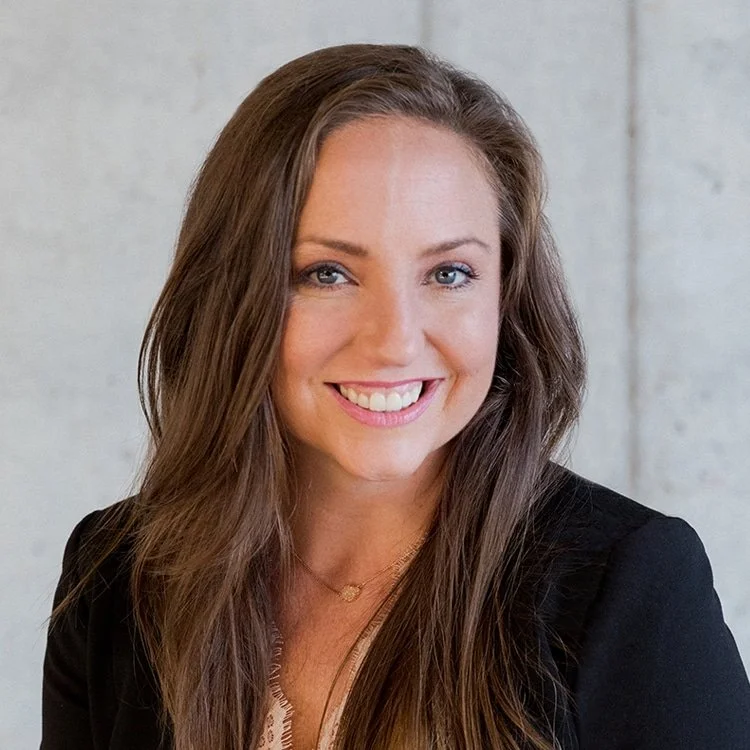
Lizzie Harrigan, LCSW, PMH-C — Clinical Director
Lizzie Harrigan, LCSW, PMH-C, is Clinical Director of The Firm Addiction Consulting and a Tennessee-licensed clinical social worker whose verified practice includes addiction, trauma, borderline personality disorder, relationships, anxiety, and perinatal mental health.
Licensed clinical leadership within a defined scope
Lizzie contributes licensed clinical perspective to complex case review, treatment-fit questions, family-system dynamics, co-occurring mental-health and substance-use concerns, and coordination with appropriately licensed treating professionals. Her role helps keep practical intervention strategy clinically aware and responsive to the person and family in front of us.
The Firm’s consulting services are not automatically psychotherapy, Lizzie does not treat every Firm client, and Darren and Zach are not therapists. Scope, treating relationships, consent, and professional responsibility are defined for each engagement.
Credentials and areas of practice
Psychology Today verifies Lizzie’s Tennessee LCSW license 5872 and lists her PMH-C credential. Her documented specialties and expertise include trauma and stress, addiction and substance use, borderline personality disorder, anxiety, relationships and family conflict, dual diagnosis, and pregnancy, prenatal, and postpartum concerns.
- Licensed Clinical Social Worker — Tennessee license 5872
- Perinatal Mental Health Certification (PMH-C)
- Addictive disorders and co-occurring substance-use complexity
- Traumatic stress and borderline personality disorder
- Relationships, family conflict, anxiety, and perinatal mental health
Independent professional corroboration
Where Lizzie’s perspective connects
Lizzie’s clinical lens is most relevant when families are sorting psychiatric symptoms, trauma, substance use, treatment capability, medication continuity, family roles, and the difference between consultation, psychotherapy, and emergency care.
A better plan can start with one conversation.
Tell us what is happening. We will help you identify the next responsible move.