
Birmingham and Central Alabama • Nashville headquarters
Birmingham Addiction Intervention and Family Consulting
The Firm Addiction Consulting is headquartered in Nashville and serves Birmingham and Central Alabama families through virtual preparation, coordinated travel, and in-person intervention when appropriate. We help parents of adult children facing addiction, treatment refusal or college interrupted by drug treatment. Begin by phone or video; prepare for acceptance and refusal.
Travel, assigned personnel, availability, scope and related fees are clarified before engagement. The Firm has no Birmingham office or Alabama treatment facility.
Updated October 14, 2026
Service availability and engagement questions. No-charge initial inquiry.
CALL THE FIRM — 877-FIRM-910$125 Private Family Strategy Session · 20 minutes with Darren Hobbs.
BOOK MY $125 STRATEGY SESSIONBegin with the decision your family faces
Call 877-FIRM-910, book the BOOK MY $125 STRATEGY SESSION, or use the confidential contact form. The strategy call provides focused professional guidance; the full intervention scope and fees are agreed separately. Do not include medical records or other sensitive documents in the initial form.
For immediate danger, call 911. For suicide or mental-health crisis support, call or text 988. A scheduled consultation cannot replace emergency assessment.
How intervention works for a Birmingham family
Preparation begins with the actual situation, not a predetermined meeting. Family members may live in Jefferson County while other decision-makers or a suitable treatment provider are elsewhere. Agree on who participates, what must be assessed and which decisions need to be made before travel.
- Initial contact and family assessment: describe observed harm, prior treatment, family concerns and immediate safety needs.
- Telephone or video preparation: gather history and clarify the family’s goals before scheduling an in-person conversation.
- Family alignment: agree on truthful communication, practical support and safe, lawful boundaries.
- Complex-case planning: identify medical, psychiatric, conflict or safety issues requiring qualified professionals.
- Intervention strategy: prepare the offer of care, participants, roles and responses to likely barriers.
- Travel and an in-person intervention when appropriate: confirm the assigned personnel, location, timing, expenses and availability.
- Treatment research and coordination: compare actual capabilities and confirm assessment and admission requirements.
- Refusal planning: decide in advance what the family will do if the offer is declined.
- Admission and transportation coordination where included: confirm consent, receiving arrangements and the handoff.
- Continuing family strategy and aftercare: define optional case management, coaching, monitoring or discharge support.
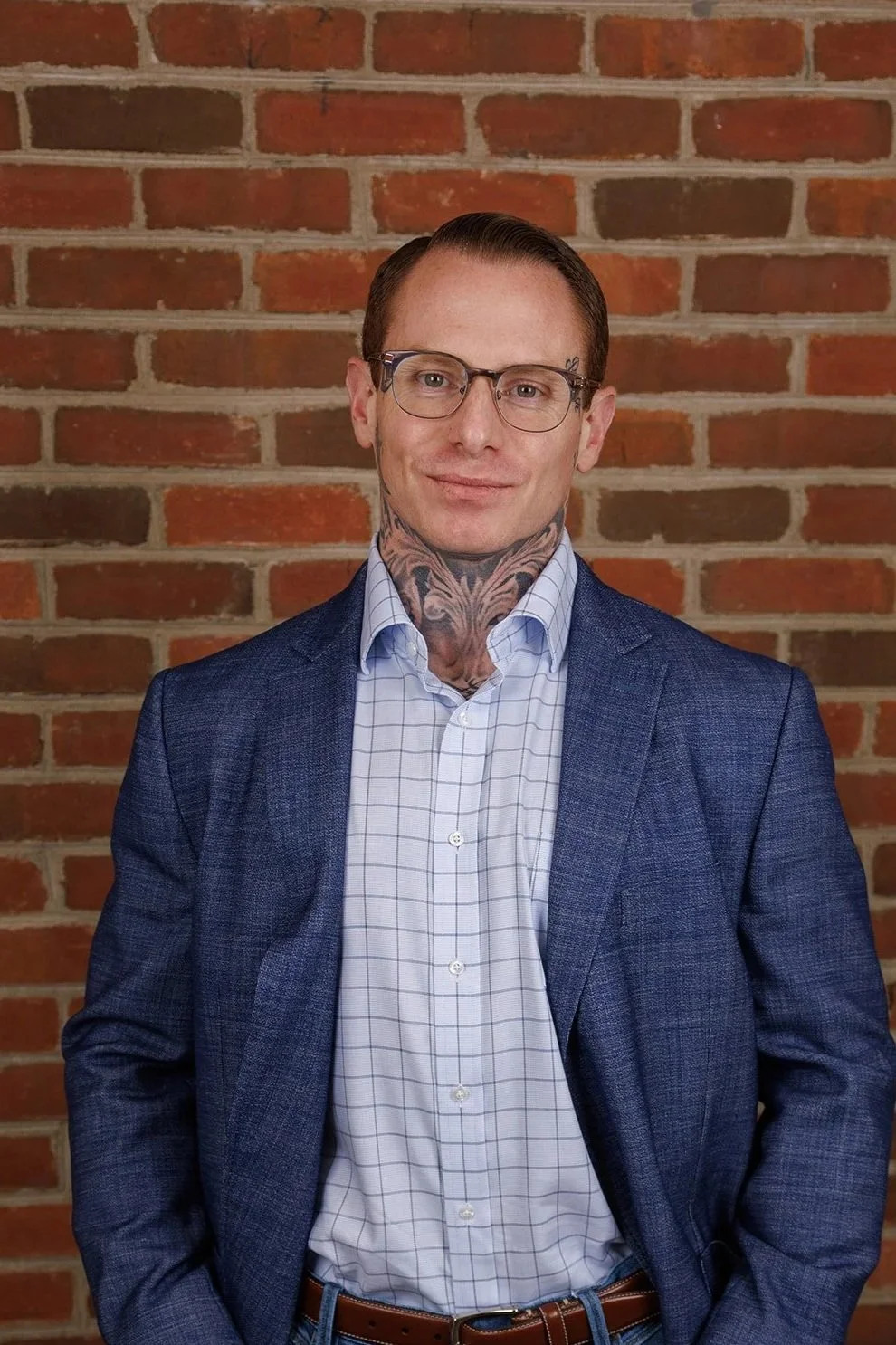
Named leadership, with responsibilities confirmed before engagement
Darren Hobbs, CIP, is The Firm’s founder and president. Zach Livingston, CIP, CCMI, works in intervention, recovery coaching and case management. Their biographies describe their professional roles and link to independent records.
Review the official A&E biographies for Darren and Zach, Zach’s AIS member profile, and The Firm’s credential and experience standards. Media appearances document public work; they do not establish clinical or toxicological expertise.
The proposal identifies the people assigned to your family and their responsibilities. Darren or Zach is not promised as the personal lead of every engagement.
Know who will actually handle your family’s case
The person whose experience earns your trust should not disappear after the intake call. Before retaining any intervention company, ask who will assess your family, who will lead the intervention and who will remain responsible afterward.
- Who conducts the assessment and develops the family strategy?
- Who appears in person, and is that person an owner, employee or subcontractor?
- What current credentials does the assigned person hold?
- How are treatment options evaluated, and what referral relationships should be disclosed?
- Who manages a refusal or change in safety?
- Who remains involved after admission, for how long and at what cost?
Situations that may call for a coordinated family plan
Families contact The Firm about alcohol use, fentanyl or other opioids, polysubstance use, repeated return to use, and an adult child refusing treatment. Planning may also address divided or high-conflict families, earlier interventions that did not lead to lasting change, early treatment departure, and professional or privacy-sensitive circumstances.
Psychiatric and dual-diagnosis concerns require qualified clinical assessment. Intervention and family consulting organize decisions and care pathways; they are not medical detoxification, psychiatric hospitalization or Alabama-licensed treatment. See dual-diagnosis planning and professional intervention services.
Discharge, return-home decisions and uncertainty about money or housing support deserve planning too. Support should fit the person’s needs and the family’s lawful responsibilities, without assuming that impaired functioning is manipulation.
Put the Darren Hobbs Family Method into practice
The Family Method and tools explain connection without control, compassion without enabling, boundaries without abandonment, and influence without coercion. Recognize the pattern, understand the circumstances, decide what the family controls, act on a realistic plan and follow through as conditions change.
This is Darren’s professional framework, adapted to the family’s circumstances. It is not presented as an independently validated clinical intervention. Family consulting helps translate the principles into communication, responsibilities and sustainable action.
When drug treatment interrupts your adult child’s college plans
A leave from college can create several urgent decisions at once: appropriate treatment, a safe place to live, communication with the school, tuition or housing obligations, and what parents can sustainably fund. Separate those decisions from the pressure to restore enrollment immediately. Treatment and academic planning should fit the adult student’s assessed needs and willingness.
With the adult student’s authorization, identify who will communicate with the college and treatment team. Ask the school directly about its current medical or personal leave process, deadlines, documentation, housing, financial-aid implications and return requirements. Rules differ by institution; The Firm does not determine eligibility, guarantee readmission or replace academic, financial-aid, disability or legal advisers.
Before a return to campus, prepare clinical follow-through, housing, transportation, recovery support, daily structure and an agreed response if functioning declines or substance use returns. A return date should follow the actual care and academic plan, not a promise made during a crisis. Explore education consulting and therapeutic placement, young-adult family resources and return-home planning after treatment.
Parents can define their own financial participation and household boundaries while preserving connection. An adult child’s student status does not give parents unrestricted access to clinical or college records. Confirm permissions and professional responsibilities before expecting updates.
What can a Birmingham family do when an adult child refuses treatment?
Prepare before confronting. Write down specific events and changes in safety or functioning. Align the people who control financial, housing and practical support, and separate what they can responsibly change from the adult’s own choices. Avoid repeated rescue arrangements that contradict the family’s stated plan.
Ask meaningful questions, listen for barriers and prepare a concrete offer of professional assessment or appropriate care. Boundaries should describe the family’s own participation rather than threaten punishment. Review safety, dependency, housing and legal responsibilities before changing support.
Prepare for both answers: who coordinates admission after acceptance, and who supports the family after refusal? Keep the pathway to help open and reassess when circumstances change. Read adult-child refusal guidance and the prepared response after refusal.
Family preparation does not authorize forcing an adult into treatment. Questions about Alabama law require qualified local advice. Immediate danger takes priority over the family meeting.
Independent treatment navigation: fit before an available bed
Compare medical and psychiatric needs, substance use and withdrawal risk, appropriate clinical level of care, financial and insurance limits, geography, safety, family participation and the recovery environment after discharge. An open bed alone does not establish that a program can provide suitable care.
For Birmingham families, the appropriate program may be inside or outside Alabama. Ask which capabilities were verified, who makes clinical decisions, what admission actually requires and what referral relationships exist. The treatment navigation decision center supports this comparison. Recommendations and admission remain subject to assessment and provider acceptance.
Admission is not the finish line
Clarify who follows up after admission, who can receive authorized updates, and how the family will prepare for discharge, housing, appointments and return home. A plan should name responsibilities and review points rather than rely on a discharge document alone.
Where agreed and available, case management, recovery coaching, family communication, aftercare coordination and return-to-use planning can support continuity. Explore the monitoring and aftercare guide. Testing is information, not treatment.
Monitoring methods and local collection arrangements must be confirmed individually. This page does not promise Birmingham PharmChek application or services outside a provider’s approved territory. Clinical care and emergency response remain with qualified providers.
Birmingham travel and logistics
You can begin virtually without an interventionist living in Birmingham. Nashville-to-Birmingham work requires deliberate travel planning; it is not an immediate local arrival promise. Before engagement, confirm who travels, the meeting format, dates, expenses and what happens if availability or safety changes.
Travel expenses and transportation responsibilities are itemized in the proposal; no universal travel fee or arrival time applies. If treatment is outside Alabama, verify consent, receiving arrangements, suitable transport and the destination handoff before departure. Medical transport needs require an appropriate provider.
If the intervention is refused, follow the prepared safety and family response rather than assume transport proceeds. Agree in advance on post-meeting contact, continuing support and any additional fees. For North Alabama needs, see the existing Huntsville service page; the service-area overview explains the regional model.
A hiring checklist for any intervention company
- Verify current credentials and the person actually assigned.
- Review the assessment, preparation and complex-case planning process.
- Ask how treatment suitability is checked and referral relationships disclosed.
- Request a written plan for refusal and safety exceptions.
- Clarify total professional fees, travel expenses, cancellation and changes in scope.
- Define family participation, consent and communication permissions.
- Identify who remains accountable after admission and when the engagement ends.
Emergency care comes first
Call 911 for suspected overdose, abnormal breathing, unconsciousness, violence, weapons or immediate danger. If an opioid overdose is suspected, give naloxone if available and follow emergency instructions. Read CDC naloxone guidance.
Call or text 988 for suicide or mental-health crisis support. The 988 Lifeline explains what to expect. The Firm is not an emergency-response service, medical detox, emergency department or psychiatric hospital.
Start with one responsible next step
Call 877-FIRM-910, BOOK MY $125 STRATEGY SESSION, or use the confidential form below. Describe the decision your family faces; the team will clarify fit, personnel and the proposed scope. For other pathways, visit Get Help Now.
Published by The Firm Addiction Consulting. Updated October 14, 2026.
Frequently asked questions
Does The Firm have a Birmingham office?
No. The Firm is headquartered in Nashville. Birmingham and Central Alabama preparation can begin remotely, with coordinated travel and in-person intervention when appropriate and available.
Can we start while our adult child refuses treatment?
Yes. The family can seek guidance and prepare its own response without the adult child participating. That does not authorize involuntary treatment or guarantee later acceptance.
Who will lead our Birmingham intervention?
The assigned personnel and responsibilities are confirmed before engagement. Review the actual lead’s credentials, preparation role, travel responsibilities and continuing involvement.
Are travel and aftercare included in one fee?
The proposal states professional scope, travel expenses and any optional continuing services. Do not assume that a consultation or intervention fee includes every later service.
Can treatment take place outside Alabama?
Yes, when clinically and practically appropriate and accepted by the receiving provider. Assessment, consent, costs, transportation and continuing care must be coordinated.
Can you help when our adult child leaves college for drug treatment?
The Firm can help coordinate family decisions, treatment navigation and continuing-care planning within the agreed scope. With the adult student’s authorization, coordinate with the school and treating team. The college determines leave, documentation and return requirements; The Firm does not guarantee readmission or academic outcomes.
A better plan can start with one conversation.
Tell us what is happening. We will help you identify the next responsible move.
Choose the help you need
NOT SURE WHETHER THE FIRM CAN HELP?
You don’t have to purchase a strategy session just to ask whether we provide the service you need.
Call 877-FIRM-910 to discuss service availability, the engagement process, and how to get started.
An initial service inquiry is at no charge. It is not individualized family strategy or an unlimited consultation.
NEED HELP MAKING A SPECIFIC DECISION?
Bring the question about money, boundaries, treatment options or family disagreement. The $125 Private Family Strategy Session is a focused, 20-minute working session with Darren Hobbs.
Practical decision support—not medical diagnosis, psychotherapy, legal advice, or a guaranteed outcome.
What the session includes, preparation and cancellation terms
Prefer discreet written contact? · Explore the free family tools